
by Helena Madonna
"Ignore your hairdresser, don’t cut your hair."
This advice came from a community of long haired girls online, they insist that the only way to grow your hair long is to skip your cut appointments. In reality, that would result in dry, brittle and nasty split ends. Your hair will also loose shine, moisture and structure and you would likely end up needing to chop all of it off.
Hair growth can be frustrating as it happens too slowly to notice and sometimes it feels like it's stopped altogether. You pull your ponytail forward in the mirror, you tilt your head back to see how far it reaches down your back and it still feels as long as it did months ago.
On average, hair grows 1.5 cm per month, so if it feels as though it's stopped, chances are the issue isn't growth at all. It may be what's happening to your hair once it leaves the scalp. Breakage, excessive heat styling, chemical services and poor hair habits can slow months' worth of growth.
Through this guide, you'll learn how to prevent damage that may be stunting your hair growth along with all the tips you need for those inches you desire.
THE REAL REASON YOUR HAIR FEELS STUCK
Are you getting regular trims?
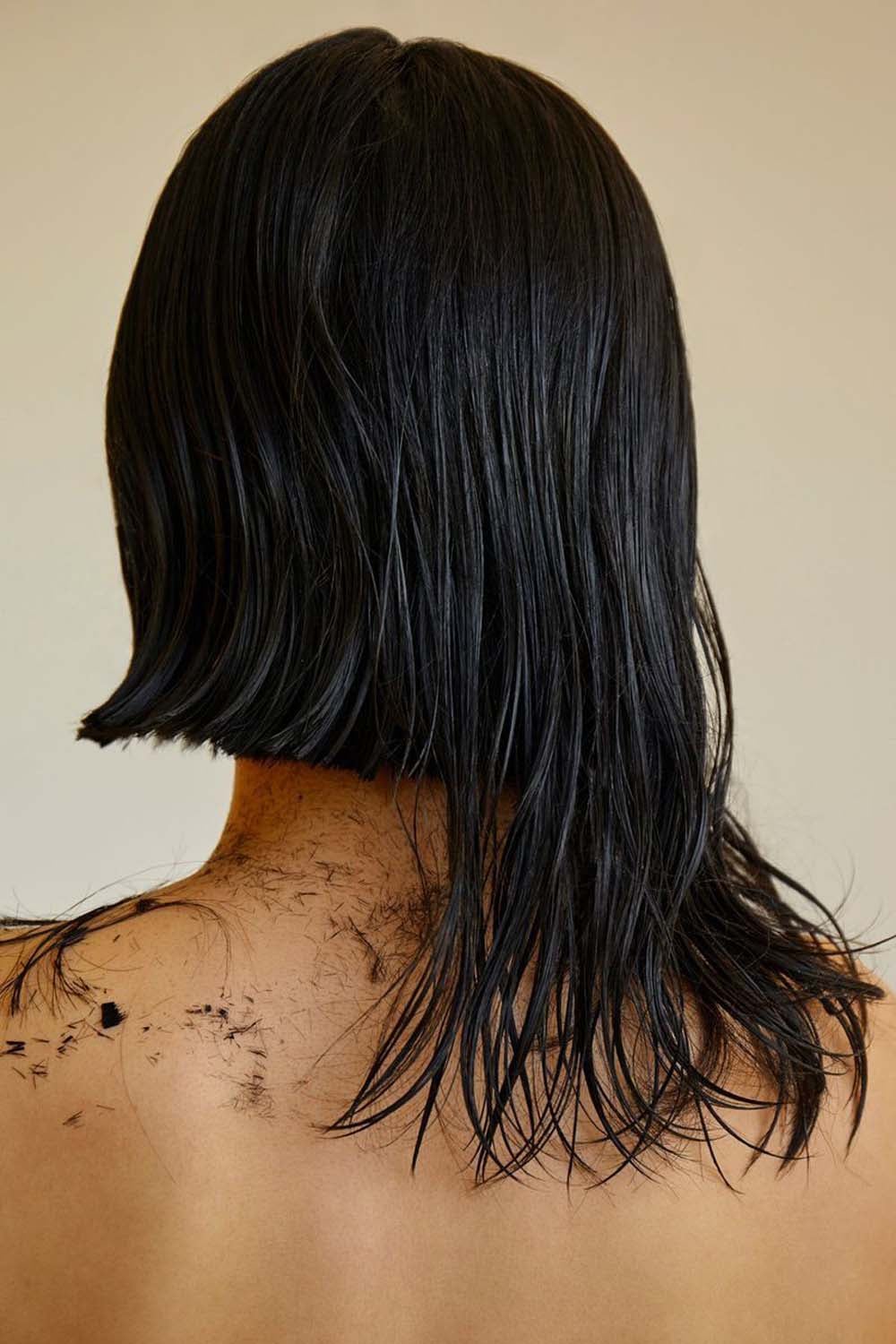
Cutting your hair in order to grow it might sound counterproductive but it is one of the keys to long luscious locks. Split ends don't just remain at the ends of your hair, if they're left untreated they will continue to travel all the way up your hair, yikes! Sticking to a routine of small trims will allow hair to grow fuller and thicker, giving the appearance of much healthier, longer hair. Going too long in between haircut appointments will lead to bigger
chops each time.
How often are you heat styling your hair?
Heat styling is safe as long as you use protection. A heat protectant spray acts as an SPF against heat tools. Hair that is repeatedly exposed to high temperatures will become dry, brittle and very fragile. All those sprouts of new hair growth don’t stand a chance when being pressed between scorching hot plates. If the goal is long hair, lay off the heat or be sure to use a strong heat protectant.
Are you sleeping with wet hair?
Hair is at its most fragile when wet. Friction between your pillowcase and fragile strands will no doubt lead to breakage. Make sure to dry your hair before getting into bed. If you want to be extra cautious, a loose braid will ensure even more protection.
Do you bleach your hair?
Unfortunately, bleached hair tends to have a little more trouble with growth. Hair is always more comprised when bleached. However, that’s not to say bleached hair can't grow long and healthy, it just requires a little more TLC. Make sure to get regular trims, refrain from letting regrowth get too long between root touch ups (check out 'The Bleach Bible' for more info) and be sure to incorporate hair masks into your routine.
WHAT'S YOUR ROUTINE?
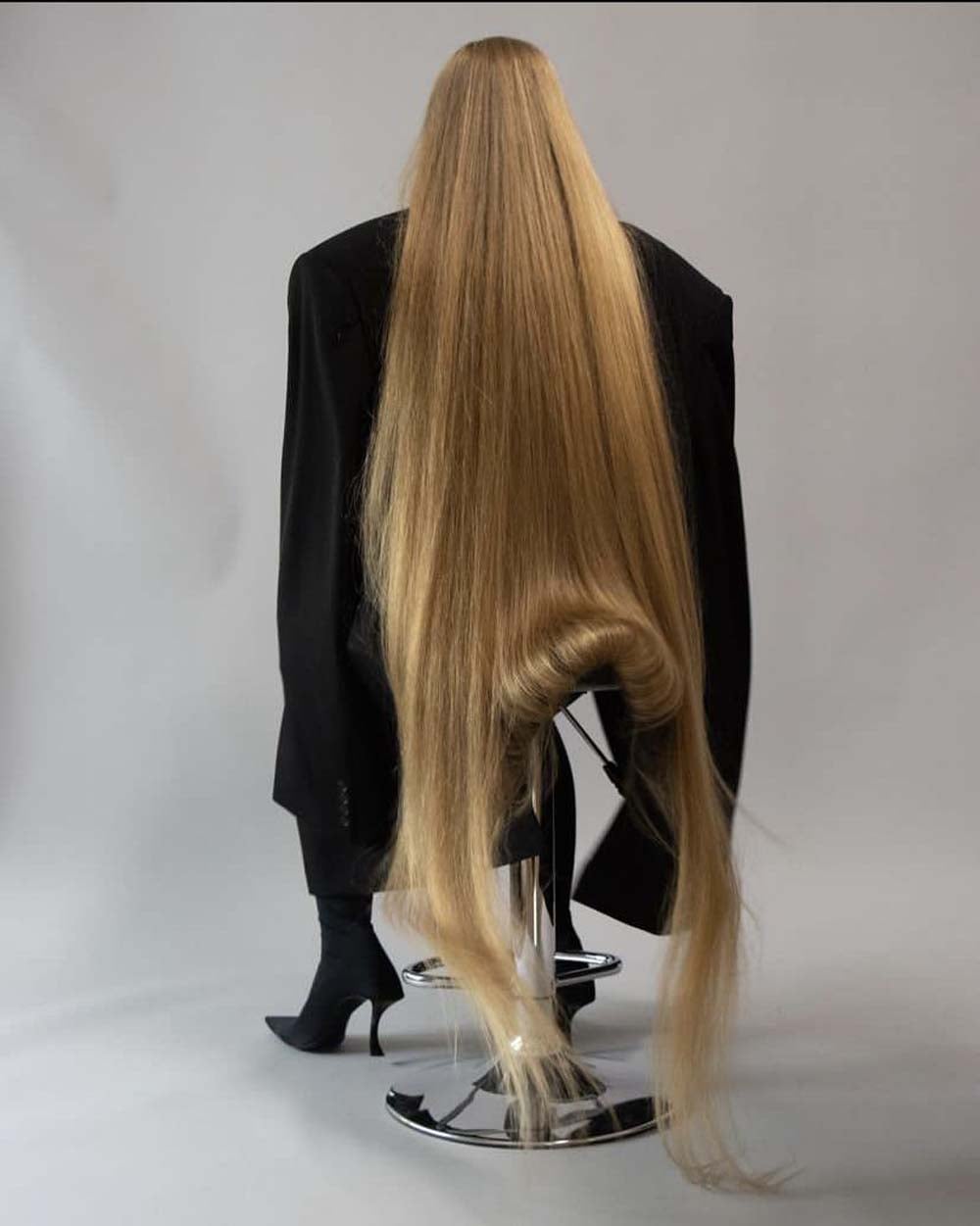
What are you using on your hair?
When it comes to products, ingredients matter. Not all products are made equal, low quality ingredients will build up on top of the hair cuticle. This can prevent hair from absorbing moisture, ultimately suffocating the hair leading to damage.
High quality brands are worth the investment, they include ingredients that protect and treat stands without build up.
Hair oiling is your long hair's bestie!
There is a reason that hair oiling is trending. It's a practice that's been around for hundreds of years, indigenous cultures have used this method to protect strands to soften strands and protect them from the elements. Oil coats the hair, allowing for protection without clogging the hair follicle. Coating the hair safely is the best way to encourage new hair to grow long. The key is to use oil often and to leave in on the hair for as long as possible (6-8 hours). Apply before bed to sit overnight or on your next wash day.

YOUR HAIR IS WHAT YOU EAT
This tip doesn’t come in sexy packaging or with a delicious fragrance. It may sound boring but your diet plays a crucial part in your hair growth journey. Your hair isn't essential for survival so the body prioritises other functions first. This means that iron, zinc, protein and overall nutrition matters. By the
same measure, crash dieting, illness and stress can disrupt growth cycles. When your hair growth genuinely slows, lifestyle factors are often involved.